



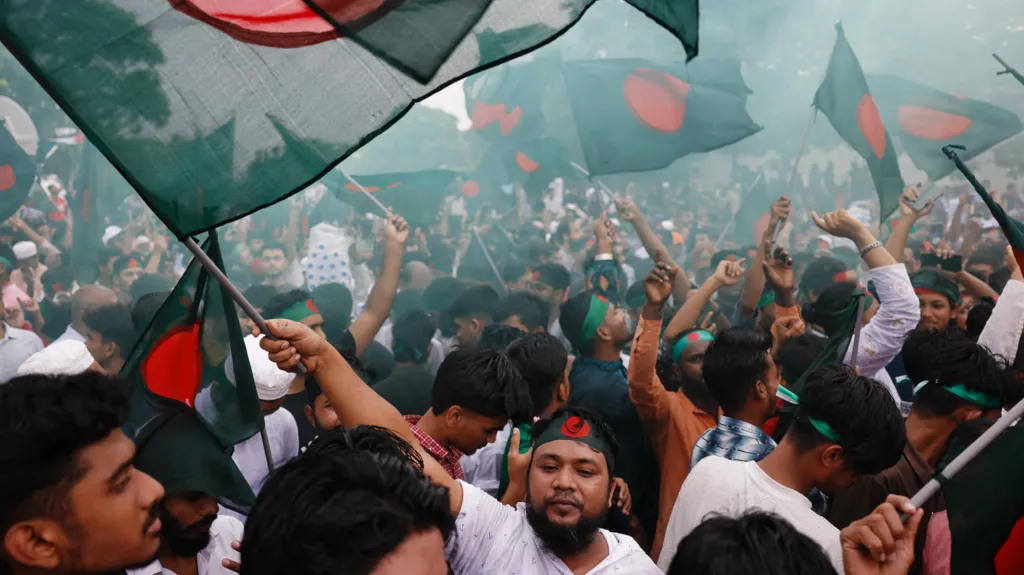











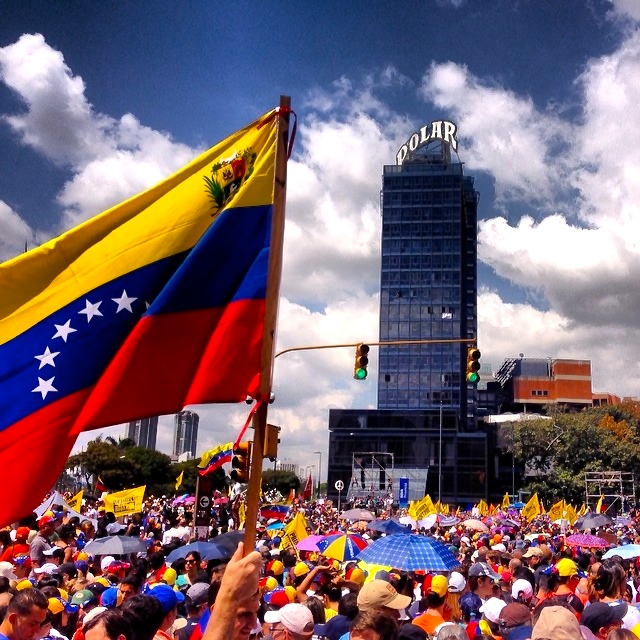
It’s all over the news: on Jan. 3 the United States seized Nicolás Maduro, the Venezuelan president, and his wife from the capital city of Caracas. Amidst celebrations among Venezuelan people, this event has triggered an uproar of political tension in the United States. So, what’s actually happening, and why is it so highly debated?
Nicolas Maduro represented the United Socialist Party of Venezuela and began serving as president in 2013. According to the Georgetown Journal of International Affairs, the reduction of Venezuelan democracy began when Hugo Chávez, the founder of this party and the president prior to Maduro, took office. Over 50 countries, including the U.S., regard Maduro as an illegitimate leader due to overwhelming evidence of electoral fraud in Venezuela’s most recent election.
Under the corrupt leadership of the United Socialist Party, Venezuela has experienced a humanitarian crisis. According to the U.S. State Department, over nine million Venezuelans experience moderate to severe food insecurity. The UN World Food Programme corroborates that 5.1 million Venezuelans urgently need food assistance.
The Venezuelan government was also allegedly heavily involved in shipping drugs to the United States. For all of these reasons, U.S. military forces bombed Caracas on Saturday morning. Delta Force enacted Operation Absolute Resolve and captured Maduro and his wife.
Needless to say, the capture of Maduro and the end of dictatorial leadership was cause for celebration among the Venezuelan people. However, left-leaning Americans have another concern: U.S. imperialism. Trump claimed the U.S. will control Venezuela for the foreseeable future, which is concerning to members of the Democratic Party who are anti-foreign involvement. NPR News additionally notes Trump’s interest in obtaining Greenland, comments that were previously seen as humorous.
On the contrary, right-leaning Americans believe those who oppose the capture of Maduro simply oppose all actions made by Trump. According to Fox News, U.S. occupation will benefit the Venezuelan economy because it is heavily sanctioned by Russia, Iran, North Korea, and other countries. The collapse of the dictatorial government will eventually allow Venezuela to participate in global markets again.
Some Americans also disagree with Trump appointing Delcy Rodríguez, the previous vice-president under Maduro, to Venezuela’s interim president position. Although Trump and the White House are firm in their stance that the U.S. will run Venezuela until power can be peacefully transferred, some people are concerned that another member of the United Socialist Party is now Venezuela’s acting leader. Critics believe Trump should have appointed a member of the National Assembly, the other primary political party in Venezuela.
Despite political tensions over U.S. involvement in Venezuela, many members of both parties agree that Maduro was rightfully deposed from his corrupt position in government. The humanitarian crisis in Venezuela should be urgently mitigated, and those interested in donating to the cause may do so here.