


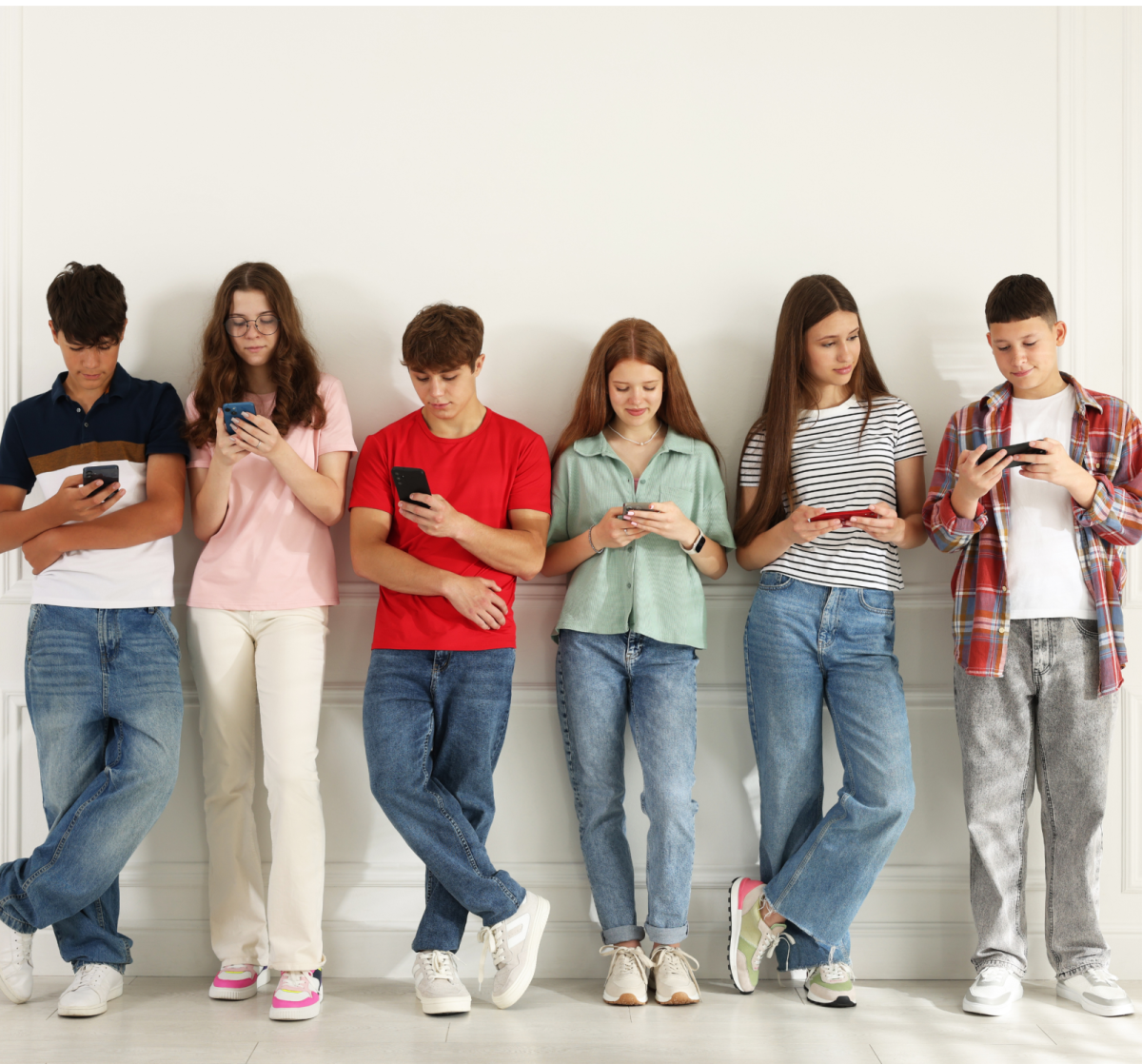

















It starts subconsciously: one Tiktok video turns into five, a Snapchat streak needs answering, and suddenly it’s midnight… again. For many students, doomscrolling before bed has become an irreplaceable component of their nightly ritual. What we do in the final hours before resting can drastically affect how energized and focused we are the following day.
To see how common this habit really is, a survey of 51 students across all grade four grade levels at LTHS examined nighttime phone use. About 53% of respondents reported spending at least one hour or more on their phones before falling asleep, including nearly 10% who reported scrolling for more than two hours. Only about 12% said they spend less than 15 minutes on their phones before bed, showing how rare true “wind down” time has become. The most frequently reported activities included TikTok and Reels, Snapchat, texting, YouTube or streaming platforms, and music or podcasts, with many students selecting multiple platforms.
The “3 Hour Rule”: the idea that three hours before sleep should gradually “wind down” stimulation, especially screens, bright light, and fast paced content. While in this day in age our world has transformed to a digital universe, the science behind it explains why so many students feel tired each day regardless of how much sleep they get.
Blue Light Versus Your Brain
Phones, laptops, computers, you name it, they emit blue light that suppresses melatonin. Melatonin is the hormone that tells your brain it is time to sleep. According to The National Library of Medicine, “the duration and phase of the human dim light melatonin profile can be influenced by prior sleep/dark times.” In fact, research conducted by Sleep Doctor said “blue light can also reduce the amount of time you spend in slow-wave and rapid-eye movement (REM) sleep” So, when melatonin release is delayed your body struggles to enter and remain in the deep sleep cycles, regardless of going to bed on time.
According to The National Library of Medicine, “the use of smartphones could disrupt lifestyle, sleep, and potentially, multiple cellular processes” and “makes an impact on circadian rhythms and lead to significant and widespread morbidity and mortality.”
Dopamine’s Chokehold On Society:
Scrolling also activates dopamine, the brain’s reward chemical. Every notification, video, or message creates tiny bursts of dopamine that keep the brain alert instead of relaxed. This makes it harder to feel sleepy and easier to stay awake longer than anticipated.
These habits appear reflected in student sleep patterns. Nearly 50% of respondents reported getting only six to seven hours of sleep on school nights, below the recommended “eight to ten hours” for teenagers according to Nemours Teens Health. About 25% reported getting five to six hours or less. When surveyed about how tired they feel during the school day, roughly 60% rated their fatigue between a three and five on a five-point scale, indicating moderate to extreme tiredness.
The Toll
Poor sleep doesn’t just mean yawing through the first period. According to Aurora Health Care, studies consistently link sleep deprivation to:
- Concentration problems
- Mood instability
- Physical symptoms (headaches, weakened immune system, heart issues, etc.)
- Decreased performance
For students balancing sports, homework, jobs, and extracurriculars, chronic sleep debt can quietly impact both physical health and mental well being. Student perception aligns with these trends. Approximately 65-70% of respondents said their phone use either impacts or somewhat impacts their sleep quality. However, nearly 70% said they would consider reducing screen time before bed if it improved sleep. The data suggests that while awareness exists, habit change remains the larger challenge.
Implementation
The goal isn’t perfection, its progress. The three hours before sleep can gradually shift into calmer activities.
- 3 hours before bed: Finish intense homework, workouts, or heavy screen use.
- 2 hours before bed: Dim lights, avoid heavily stimulating lights, and switch to calmer music or reading.
- 1 hour before bed: Put the phone down, stretch, journal, shower, and prepare for the next day.
Even reducing screen exposure by 30-60 minutes can significantly improve sleep quality.
Small Changes that actually Help
If 3 full hours feels impossible, try starting small:
- Use Night Shift or blue light filters
- Set a phone reminder for “wind down time”
- Charge your phone across the room rather than inches from your head
- Replace scrolling with a relaxing habit (yoga, reading, skincare, etc.)
- Keep a consistent sleep schedule (Yes, even on weekends)
Sleep isn’t about discipline, it is about protecting your brain’s recovery time. It is one of the most powerful performance tools students can utilize, yet it becomes one that is most neglected. The “3 Hour Rule” isn’t about cutting out technology entirely, it’s about creating boundaries that allow the brain to actually rest. Your energy, focus, and mood depend on tonight’s habits.
So, maybe tonight instead of scrolling, try one more hour of true rest.